
Custom Metal Waist Chains: From Design to Bulk Production


For an accessory supplier, a custom waist-chain inquiry often begins with a customer’s reference image, a target price and several requested finishes. Turning that inquiry into a bulk order requires decisions about dimensions, materials, connections and surface treatment. At YIHUI, we manufacture custom metal waist chains for business customers, with the production details considered alongside the design so buyers can establish clear requirements before placing an order.
Translating a Waist Chain Design into Production Details
A reference image communicates style, but it rarely explains how the chain is constructed. Two designs with similar outlines may differ in link thickness, weight, flexibility and fastening. Those differences affect both the quotation and the finished product.
Start with the chain’s structure. A single strand, a layered design and a chain with decorative components each require different decisions about assembly and attachment. Length should also be defined carefully: the chain body, extension section and total wearable length are separate measurements.
For suppliers developing several versions, identify which features stay the same and which change. A range may share one link design and clasp while offering different lengths or finishes. Recording these variations makes quotation review and sample comparison more straightforward.
Garment context still matters at this stage. A chain intended to attach to belt loops needs suitable connectors, while one worn around the waist needs an appropriate fastening and adjustment range.
Why Similar Waist Chains Can Have Different Prices
The appearance of a metal waist chain tells only part of its manufacturing story. Base material, link dimensions, decorative parts, polishing and plating all contribute to the finished cost. A price comparison becomes useful when these details are aligned.
Material, Link Size and Hardware
Larger links change the chain’s proportions and weight, but size alone does not explain the difference between two quotations. Material choice, link construction and the number of assembled components also matter.
Closures deserve the same attention as the chain itself. A clasp that looks suitable in a photograph may be difficult to operate or poorly proportioned in the sample. Where the design includes a distinctive fastening, our custom metal buckles can be considered alongside the chain’s dimensions and finish.
Surface Finish and Custom Components
Polished, matte, brushed and antique finishes create different appearances. Buyers should specify the intended treatment as well as the color; “gold” or “silver” alone leaves too much room for interpretation.
A custom decorative component may also involve mold development. Before comparing offers, establish whether the quotation covers an existing component or a newly developed shape. Order quantity and the split between lengths and finishes should accompany the specifications so the quotation reflects the actual purchasing requirement.

Sample Approval Sets the Standard for Bulk Production
Sampling gives suppliers an opportunity to confirm the product with their downstream customers before committing to volume. The sample should resolve questions that a drawing or photograph cannot answer: how the chain hangs, how the clasp operates and whether the adjustment range works as intended.
An organized approval record helps connect those decisions to production.
| Item to Confirm | What to Record |
| Dimensions | Chain-body length, extension length and link size |
| Construction | Link structure, connector positions and decorative parts |
| Fastening | Clasp type, operation and adjustment range |
| Surface finish | Approved color, gloss and texture |
| Packaging | Individual protection and separation of variants |
Wear testing remains relevant to wholesale purchasing because it can reveal problems before they reach the supplier’s customers. Review the chain while walking and sitting, and check whether links or connectors catch on the intended garment. Inspect contact surfaces for roughness and sharp edges.
If the sample changes during development, the final approval should identify the revised version. Production and inspection need a single agreed reference.
Keeping Finish and Construction Consistent in Bulk Orders
Consistency becomes especially visible when multiple chains are placed together. A clasp that is slightly brighter than the links, uneven polishing or differences between decorative parts can make an otherwise coordinated order look mismatched.
Our metal accessory production includes mold development, manual polishing and plating. For a waist-chain project, the chain, fastening and decorative components need to be considered together because each contributes to the finished appearance.
Physical finish references are useful here. Screens and lighting can change how metal colors appear, so photographs alone leave room for disagreement. Record the acceptable tone, gloss, texture and visible surface marks when approving the sample.
Construction checks should cover link closure, jump rings, connector deformation, clasp operation and dimensions. Tension testing and salt-spray testing can support the quality review, with test conditions and acceptance requirements agreed for the order.
For products with skin contact, buyers should also communicate the destination market and required test documentation before approval. Any material or compliance requirement needs to be addressed for the specified product and finish.
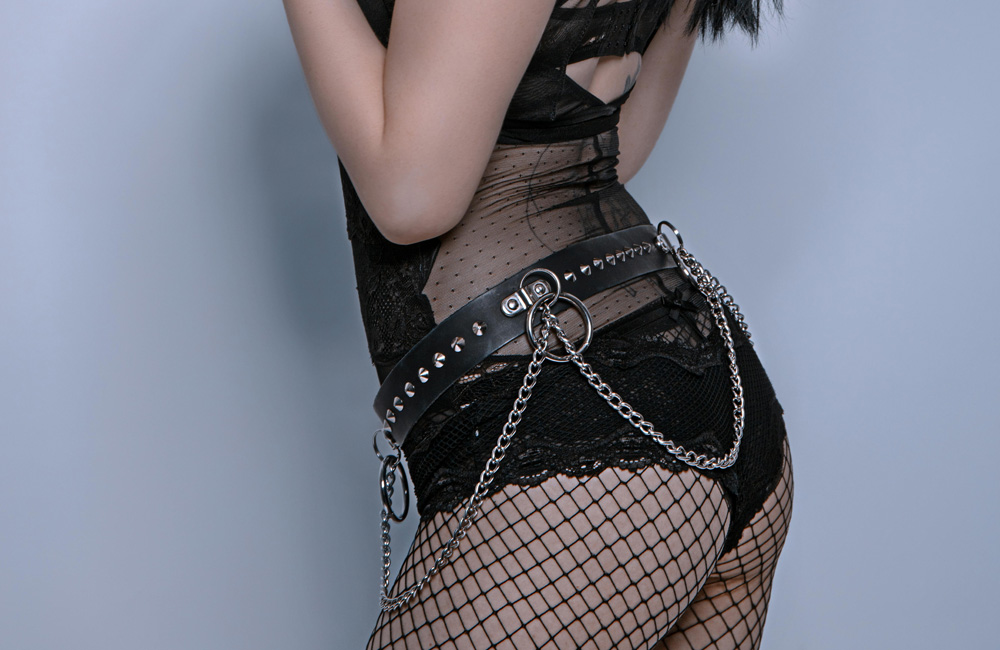
Bulk Packaging Should Protect the Finished Surface
Packaging affects the condition in which suppliers receive and handle their stock. Loose chains can become tangled, while repeated contact between metal components can leave visible scratches.
Individual bags, cards, tissue wrapping or pouches can help separate and secure each piece. The appropriate arrangement depends on the chain’s length, decorative elements and finish. A layered chain, for example, may need its strands held in position to reduce tangling.
When an order contains several sizes or colors, agree on how those variants will be separated and identified. Clear packing requirements make receiving, checking and onward distribution easier. Review packaging with the finished sample so protection is considered before the full order is packed.
Preparing for Repeat Orders
For suppliers, a successful first order is also a reference for future purchasing. Keep the approved dimensions, finish sample, hardware details and packaging requirements together so a reorder can be compared with the original specification.
When requesting a change, identify it explicitly. A new clasp or extension length may look like a small adjustment, but it changes the product that must be quoted, produced and inspected.
To discuss a custom metal waist-chain order, contact YIHUI with your reference images, required dimensions, preferred finish, order quantity and packaging needs. These details provide a practical starting point for reviewing construction and preparing a development sample.
التعليمات
What Information Is Needed for a Custom Waist Chain Quotation?
Provide a reference image or drawing, dimensions, material requirements, finish, fastening, quantity and packaging details. Specify the quantity for each version when requesting multiple lengths or colors.
Can One Waist Chain Design Be Ordered in Different Versions?
Different lengths, finishes or decorative details can be discussed during development. Each version should have clearly recorded specifications and approval requirements.
What Should Suppliers Check Before Approving a Sample?
Check dimensions, weight, adjustment, clasp function, connector security and surface finish. Review the complete chain with its proposed packaging and confirm any required testing before bulk production.