
How Leather Finish Thickness Affects Belt Longevity


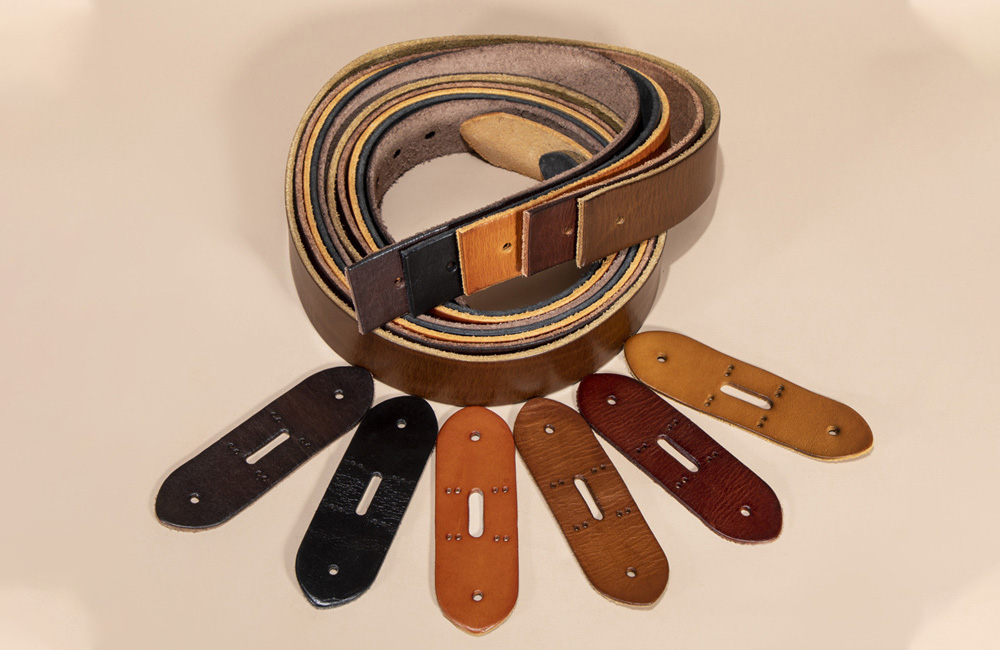
A belt might pass an initial visual check. However, it can still fail the user after a few weeks of bending, rubbing, or color bleeding. Finish thickness plays a big role here. Too little protection leaves the base material exposed. Meanwhile, excess coating can make the strap feel like plastic. It might also crack at stress points or lose its desired texture.
Finish thickness is a performance choice
Finish thickness is important. The coating acts as a barrier between the user, their clothing, and the strap itself. This layer impacts color depth and scratch resistance. It also changes flexibility, shine, and embossing clarity. Furthermore, it determines how well the belt ages on a store shelf.
Wholesale buyers should not just ask if a belt has a finish. Instead, they must find out if that finish fits the brand’s intended use. It must also match the material grade and quality standards during every single production run.
YIHUI Leather stands out when brands require custom leather belts with controlled finishing for export markets. We work with genuine leather, split leather, PU leather, and microfiber leather. We also handle bio-based leather and strong webbing. Therefore, finish choices are carefully matched to the specific material. We never just copy a finish from one strap type to another.
A finish can fail in opposite ways
A thin or uneven finish might look natural initially. Yet, it wears down fast around holes, edges, and buckle contact areas. On the other hand, a thick or stiff finish can cover up surface flaws. However, it often leads to cracking, stiffness, or a fake feel.
The ideal goal is a balanced finish. This protects the item without hiding the material’s true character. This perfect balance shifts depending on the base. It differs among full-grain leather, split leather, PU leather, microfiber leather, and bio-based options.
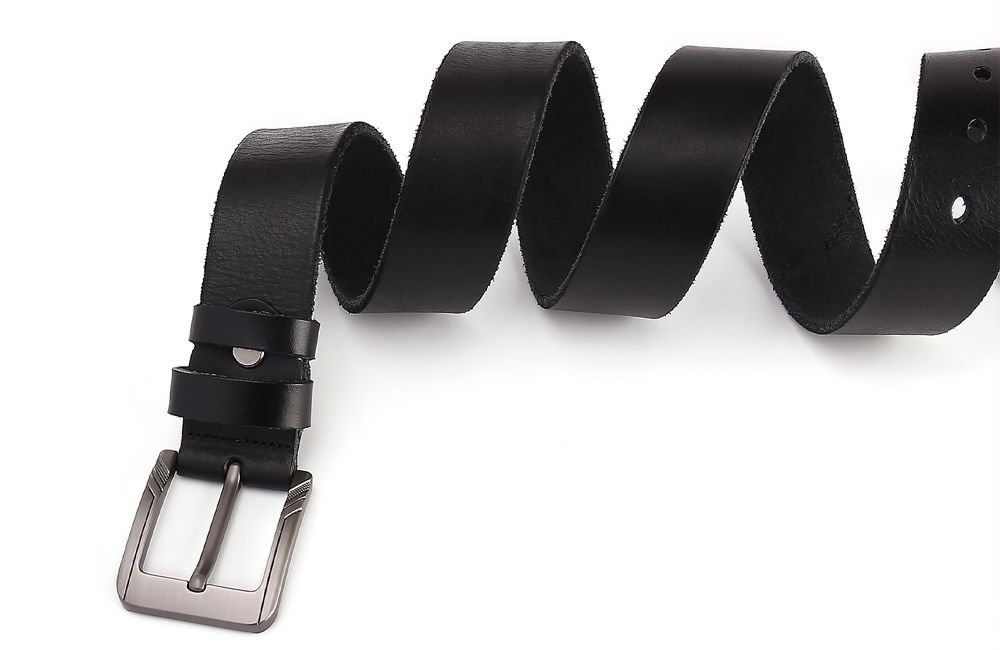
Material type changes the finish strategy
Every belt material requires a unique finishing approach. Full-grain leather retains its natural grain and patina. Therefore, applying too much coating can ruin the premium look that shoppers expect.
Split leather frequently serves as a base for suede or embossed textures. It helps create appealing, budget-friendly products. Still, the finish and backing structure require careful selection. This is because the top layer handles most of the visual impact.
PU leather belts depend heavily on coating techniques. These methods provide color, texture, and surface defense. YIHUI Leather utilizes mass pigmentation, spraying, and roller coating. We also use pattern printing, texturing, and protective top coats during our coloring process.
Microfiber leather provides a tough synthetic choice. It is crafted from superfine polyurethane resin and nonwoven base fabrics. Its overall value relies on strength, breathability, and easy cleaning. It also needs batch consistency. Thus, finish thickness must boost these benefits instead of making the belt feel lifeless.
| Material | Finish goal | Wholesale risks to verify |
| Vollnarbenleder | Protect the surface while keeping the natural grain and patina. | A heavy finish might ruin the premium feel. |
| Spaltleder | Create visual consistency on suede or embossed layers. | A weak finish might expose an uneven base texture. |
| PU-Leder | Provide color, texture, and surface defense at scale. | Bad coating control may lead to cracking or color shifts. |
| Mikrofaserleder | Boost durability and allow easy cleaning. | A stiff coating could lower flexibility. |
| Biobasiertes Leder | Balance eco-friendly content with needed performance. | High bio-based levels might drop durability without careful engineering. |
Bio-based leather introduces a new factor. The amount of bio-based carbon can alter hydrolysis resistance, overall durability, and strength. Because of this, eco-friendly material targets always require strict performance testing.
Color and texture require controlled application
Mass pigmentation blends color into the polyurethane resin before it hardens. This step helps the base shade stay visible even after light scratching. This technique ensures better color consistency for daily-wear items.
Surface spraying can produce matte, high-gloss, or metallic looks. Meanwhile, roller coating handles continuous, large-scale manufacturing. It also keeps colors steady across different batches. Pattern printing and texturing can then introduce geometric, vintage, or animal-print styles. These designs sit safely beneath a protective top layer.
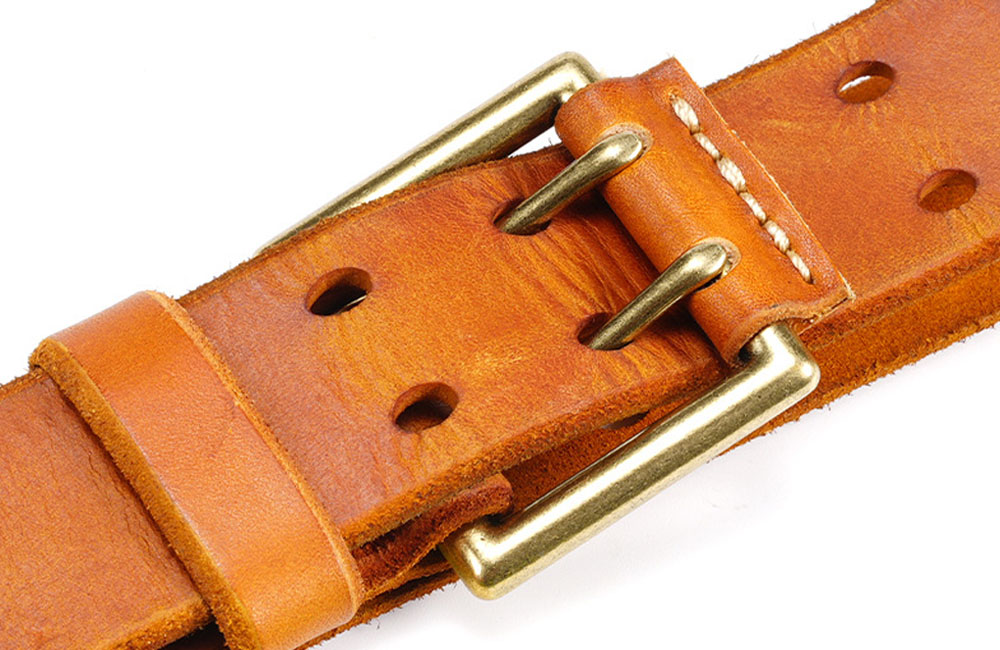
Where finish thickness affects belt longevity
The primary stress points include the buckle fold, punch holes, and strap edges. High-friction surface areas also take a lot of damage. These spots clearly show if the finish can bend and resist rubbing. They also prove if the coating stays firmly attached to the base.
When sourcing custom made leather belts across material tiers, buyers must check two things. They should review the flat look and the flexed state. An item might look flawless on a table. However, it could show cracking or white marks after repeated bending.
Edge finishing remains extremely vital. The side profile easily reveals the true construction quality. Painted, inked, or wrapped edges must stay smooth. They should never display rough fibers, open layers, or thick paint buildup.
Batch consistency is part of durability
Massive orders demand a repeatable finish. Being attractive on just a single sample is never enough. Color shifts, gloss changes, or a different touch across cartons can cause problems. These issues easily weaken brand reputation at retail stores.
YIHUI Leather applies strict incoming material checks. We also perform in-process inspections and final quality reviews before shipping. Furthermore, every waist belt goes through severe testing. We check tensile strength, wear resistance, and hardware rust prevention.
A helpful finish inspection should include these steps:
- Compare colors and gloss levels under identical lighting.
- Bend the buckle fold and punch-hole sections firmly before final approval.
- Inspect the edge coating for rough threads, peeling, or heavy buildup.
- Compare the approved sample against bulk items from random cartons.
Compliance and finish chemistry belong together
Finish chemistry impacts much more than just looks. Imported accessories for advanced markets usually face strict buyer rules. These regulations cover restricted substances, direct skin contact, and green claims.
YIHUI Leather utilizes water-based polyurethane color pastes during the coloring stage. In addition, the colorants remain completely free from APEO, AZO dyes, lead, and harmful phthalates.
A reliable leather belt manufacturer with sustainability controls must link several steps. They should connect material selection, coating methods, and testing before starting production. This proactive approach lowers risks. It prevents a simple color choice from causing a late compliance disaster.
In Europe, REACH rules and retailer chemical policies apply strict limits. They make chromium VI, azo dyes, heavy metals, and phthalates critical review targets. Buyers must verify the exact testing scope for their chosen material and target region.
Summary for product developers
Finish thickness directly impacts belt lifespan. It dictates how the strap handles scratching, bending, fading, and edge damage. The correct specification depends entirely on the material. A premium leather item, a PU fashion piece, a microfiber strap, and a bio-based product need different finish rules. They should never share the exact same coating standards.
Sourcing teams should take specific steps next. They need to request a finish sample, a flex test, and a color standard. They also need a proper chemical test plan before mass production starts. Do you want to discuss material and finish ideas for a private-label program? Please contact YIHUI Leather with your target market, material preferences, and quality needs.
Häufig gestellte Fragen
Can a thicker leather finish make a belt last longer?
A thicker finish might boost surface defense in certain situations. However, too much thickness often lowers flexibility and triggers cracking. The perfect finish balances safety, texture, and natural material movement.
Why do PU leather belts need careful coating control?
PU leather depends entirely on its coating for color, texture, and daily wear defense. Consistent spraying, roller application, and pigmentation are vital. Good top-coat control ensures the item maintains its exact look across all production runs.
Which belt areas show finish problems first?
The buckle fold, punch holes, and strap edges typically reveal flaws first. High-friction areas also break down quickly. Inspectors must check these specific zones during sample approval and final bulk reviews.
How should buyers compare belt finish samples?
Buyers must compare color, shine, edge smoothness, and flexibility. They also need to test rubbing behavior under steady lighting. The final approved sample must serve as the strict guide for mass production.
Do sustainable belt materials need different finish tests?
Yes, they do. Bio-based and alternative options often behave differently than genuine leather or standard PU. Therefore, buyers must confirm durability and moisture resistance. They also need to check chemical compliance for the specific material chosen.