How to Choose a Belt Manufacturer for Your Apparel Brand


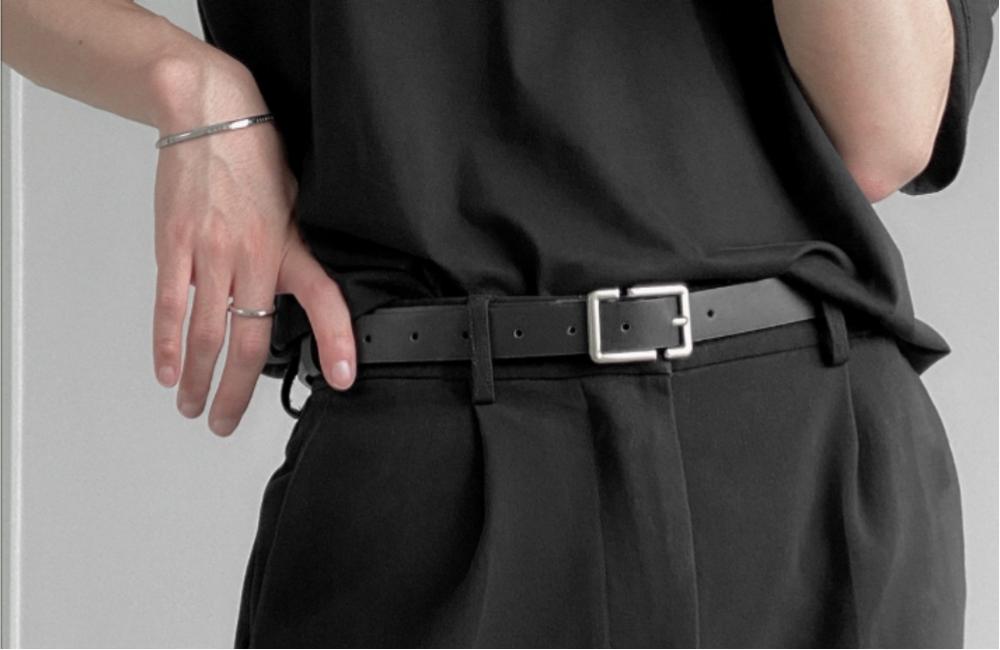
A belt can look simple in a product line, yet its material, reinforcement, edge, holes, buckle, and finish must work together. When selecting a manufacturer, the useful question is whether the factory can explain those choices, make an approved sample, and reproduce it at the agreed quantity. The process below focuses on the decisions that most often change the product or cost after an attractive sample is shown.
The Construction Hidden in a Belt Design
A reference photo shows the silhouette, but it rarely reveals the layers, reinforcement, or attachment method that determine cost and performance. A durable everyday belt, a soft fashion accessory, and a dress belt with a precise profile call for different construction choices. Define the customer, target price, size range, width, appearance, and expected use. Send reference images or an existing belt, and specify which features to copy from the visual inspiration.
Ask each candidate to propose a construction for that brief. For example, leather belt strap construction may use a single layer or multiple layers; a PU strap depends on its base and coating; and an unusual buckle may require a dedicated mold. Ask for the hide layer and finish if animal leather is specified, or the surface, backing, and layer structure if PU or microfiber is proposed. Those names describe different constructions, not a guaranteed quality level. Identify which parts are standard versus custom. These answers reveal whether suppliers are pricing the same belt.
Why Similar Belt Quotes Are Often Incomparable
A low unit price can exclude the elements that make the design sellable. Request a written quote that names the strap material and grade, thickness or construction, buckle material and finish, logo method, size assortment, packaging, tooling, sample charges, inspection, and delivery terms. Ask for separate pricing when a design choice is still open. Comparing a stock buckle with custom hardware, or plain packing with branded boxes, gives a misleading result.
Minimum order quantity also has layers. Ask whether it applies to the whole order, each color, each buckle finish, or each logo and packaging variant. Confirm whether mixed sizes and styles can share a production run. For a smaller first order, the more useful comparison is the landed cost of the exact assortment you need, plus the cost and timing of a likely reorder.
The Details a Belt Sample Must Prove
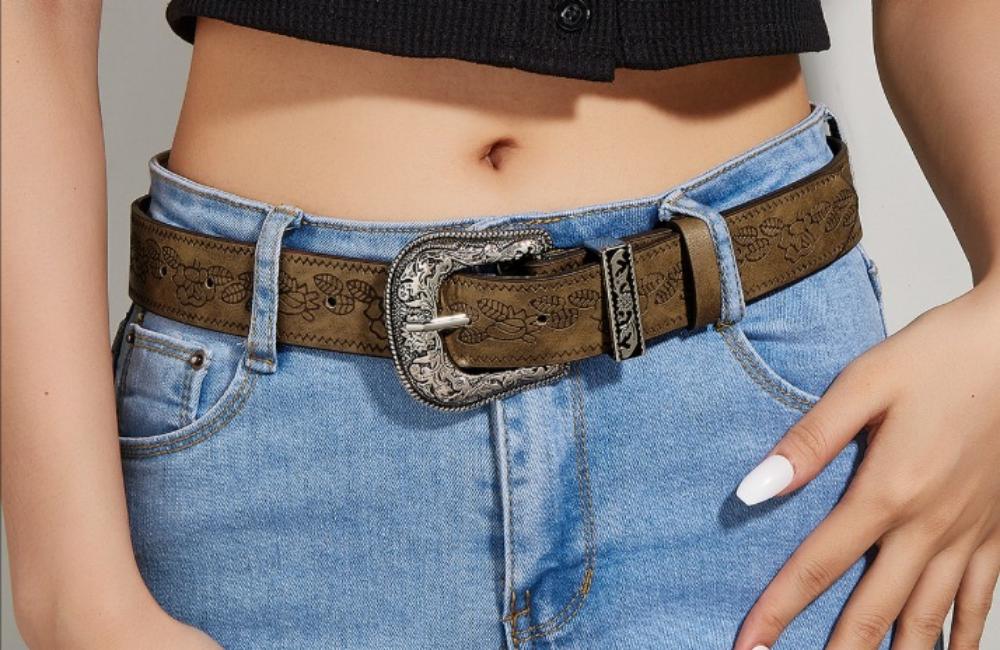
The first sample should test the proposed construction, not merely present the shape. Measure total length, usable length, width, thickness, hole position and spacing, and buckle dimensions. Compare the strap’s feel and color with the approved swatch. Review leather belt edge finishing for even color, sound adhesion, and a smooth feel. Check stitching, keeper placement, logo position, and belt buckle function and finish, including movement and sharp edges. See how the belt sits when fastened. Flex and handle it as a customer would; look for peeling, cracking, loose stitches, rough edges, weak attachments, and color transfer.
Record each correction with a photograph, measurement, and requested change. If a substitute material or component is suggested, obtain a new swatch or sample before approving it. Once the design is right, keep an identified physical sample and a written specification. Agree on measurement tolerances, visible-area leather grading, and appearance conditions for this belt.
Where Sample Approval Can Break Down
Natural grain marks are not automatically defects; their location and acceptability belong in the approved standard. Ask who translates the approved sample into production instructions and who signs off when materials arrive. The manufacturer should be able to identify incoming material checks, in-process checks for cutting and assembly, and final checks for dimensions, appearance, buckle function, labeling, and packing. Agree on the lot, sampling method, and critical, major, and minor defect definitions before shipment. An AQL number alone is incomplete without inspection level, sample size, and acceptance numbers. When a lot fails, require the affected quantity, cause, correction, and reinspection results.
If the belts will be sold in a regulated market, identify the destination and the materials and metal components that require testing. Request reports that clearly cover the relevant component and test scope for the proposed product. A general factory certificate or an unrelated material report does not settle the question. Confirm applicable requirements with the supplier for the exact design before authorizing bulk production.
The Reorder Is a Test of Consistency
Before the first purchase order, ask how the factory retains the approved sample, swatches, artwork, buckle finish, packing instructions, and revision history. Find out which materials are stocked, which are bought for each run, and which details may vary between lots. A credible reorder process names what will be reconfirmed rather than promising that every future run will be identical without checks.
The final purchase package should include the approved sample reference, versioned specification, quantity by size and color, agreed tolerances, packaging, inspection terms, delivery schedule, and a process for approving changes. This creates a basis for resolving a mismatch in the first shipment and for comparing the next run with the original.
Discuss Your Belt Project With YIHUI Leather
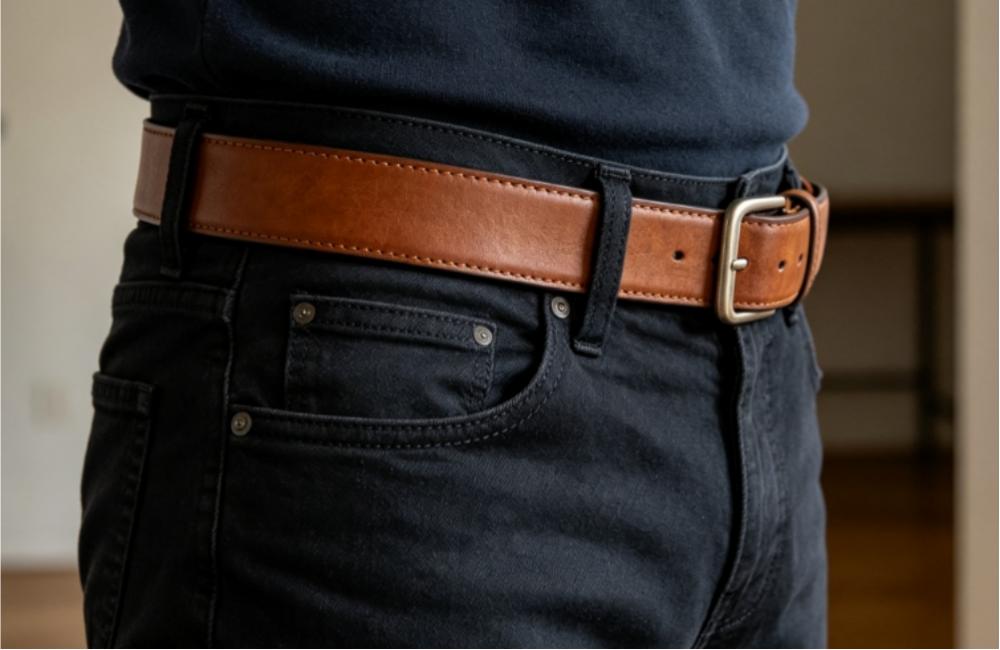
Ready to move from an idea to a production-ready belt? Send YIHUI Leather your reference design, material preference, size range, estimated quantity, destination market, and target launch date. Request a construction recommendation, relevant swatches, a sampling plan, and an itemized quotation for your exact assortment. Kontaktieren Sie YIHUI Leather to review the brief and agree on the first sample.
Frequently Asked Questions
Who Owns a Custom Buckle Mold After Tooling Is Paid For?
Paying for tooling does not automatically define ownership or access. Before paying, record who owns the mold, where it is stored, whether it can be used for other customers, how long it will be retained, and what happens if production moves to another factory.
Can One Buckle Be Used With Leather and PU Straps?
Possibly, but strap thickness, fold construction, and stiffness affect the attachment and how the buckle sits. Ask for a sample in each proposed material and check the assembled fit and operation before treating the buckle as interchangeable.
How Should Belt Sizes Be Labeled for Different Markets?
Agree on one measurement convention, such as the distance from the buckle prong to the middle hole, and state it in the specification and size chart. Check the actual finished belts against that convention; a label such as “M” or “34” alone can mean different things to different buyers.
What Evidence Supports a Material Claim on a Product Label?
Match the wording to the actual construction. For claims such as full-grain leather or recycled content, request material specifications and traceability or certification evidence that covers the relevant material and claim. Review the proposed label for the destination market before printing packaging.