
Leather Belt Materials: Grain Leather and Split Leather Explained for Global Brands


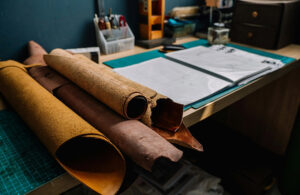
Choosing the correct material is a major step when making leather belts for international buyers. For brands, wholesale buyers, and private label companies, picking the right hide matters for more than just looks. This choice directly impacts how long the belt lasts. It also shapes manufacturing stability, pricing plans, and what buyers expect.
Knowing about hide structures and tanning methods helps purchasers pick materials that meet real design needs. Various hide layers offer distinct amounts of natural grain, surface neatness, bendability, and budget friendliness. Picking the proper option lets companies mix their market goals with solid factory results.
At YIHUI Leather, we assist worldwide companies in reviewing material choices. We look at your item goals, volume sizes, design needs, and factory setups. Thanks to our deep background in hide layers and belt making, we guide purchasers toward the ideal materials. Meanwhile, we ensure steady quality and smooth factory runs.
Understanding Genuine Leather: More Than a Material Name
Genuine leather simply means the product comes from actual animal skins. Still, this label alone does not point to an exact quality grade or strength level. The true traits of the material rely on a few key details. These include the specific hide layer, the internal fiber layout, and the final surface treatment.
When making belts, the biggest difference lies inside the hide’s makeup. The top grain section and the lower split section feature distinct fiber setups. These layouts heavily affect toughness, bendability, outer looks, and factory handling needs.
You can view a simple material breakdown right here:
| Leather Type | Material Origin | Key Traits |
| Grain Leather | Top outer section of the skin | Tight fiber layout, natural outer look, great toughness |
| Split Leather | Bottom section after removing the top | Varied fiber setup, needs extra surface treatments |
Both of these options count as genuine leather. Yet, their unique makeups and handling styles fit totally different belt uses.
How Leather Structure Affects Belt Performance
How a leather belt holds up ties closely to the inner layout of the animal skin. Real hides hold several layers. Each level features a distinct fiber thickness and physical strength.
The top outer layer holds very tight fibers. This tight setup fights off stretching and constant folding quite well. For belts, this trait is highly vital. The strap faces ongoing pull during normal use. This stress happens mostly near the buckle zone and the main fold lines.
Grain leather keeps the benefits of this packed fiber design. Based on the final coating method, it brings various visual looks to the table. At the same time, it guards the raw strength of the top skin layer.
The bottom part of the skin has a much looser fiber setup. Once workers cut away the top section, this bottom piece needs extra work. These extra steps help it reach the right look, feel, and physical strength.
What Is Grain Leather?
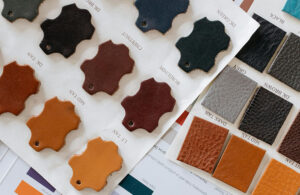
Grain leather comes from the outer layer of animal skin, where the fiber structure is naturally dense and strong. This layer maintains the essential characteristics of the hide, providing good durability, flexibility, and long-term performance for leather belt applications.
Because of its strong fiber structure, grain leather is widely used for belts that require reliable wear resistance, refined appearance, and stable construction. It offers a balance between natural leather characteristics and practical manufacturing requirements.
The surface treatment applied during production can influence the final appearance and consistency of grain leather. Some finishes preserve more natural grain patterns and hide characteristics, while others create a smoother and more uniform surface. These different processing methods allow manufacturers to meet various design requirements and market positioning.
For B2B buyers, selecting grain leather requires considering factors such as product style, expected durability, production volume, and desired surface appearance.
| Grain Leather Processing Approach | Characteristics |
| Natural grain surface retained | Highlights original leather texture and individual hide characteristics |
| Additional surface finishing applied | Provides more consistent appearance and production control |
Choosing the right grain leather finishing approach helps brands achieve consistent quality while meeting specific design and market expectations.
What Is Split Leather?
Split leather comes from the bottom fiber section of the skin. Workers get this after cutting away the top section. It still counts as genuine leather since it originates from an actual animal. However, its inner layout differs from the top section. It completely lacks the raw outer skin surface.
Because of this distinct fiber layout, this bottom material usually needs extra factory work. Makers often use methods like heavy painting, pressing patterns, and chemical coats. These steps boost the visual appeal, hand feel, and daily usefulness.
The end traits of this bottom layer rely heavily on the chosen coating tech. These factory steps let makers craft varied visual styles. Options include pressed animal prints, totally flat faces, and highly uniform shades.
For belt makers, this bottom material serves as a highly useful option. It works great for orders needing tight budgets, wide design choices, and massive volume scaling.
| Performance Detail | Split Material Traits |
| Origin | Bottom skin section after top removal |
| Layout | Distinct fiber setup compared to top sections |
| Handling | Needs extra outer coating steps |
| Benefit | Budget friendly with wide design choices |
How Split Leather Processing Influences Belt Applications
You should never judge this bottom material just by the raw layer alone. The final coating steps have a massive impact on the finished belt quality.
A proper coating style can easily boost:
- Outer surface neatness
- Available feel choices
- Visual color matching
- Overall item looks
This fact makes the bottom layer great for companies needing steady visual matching across huge orders. In certain retail spaces, a neat look and a low price matter much more than raw natural shifts.
When picking this lower material, purchasers must check both the raw layout and the factory’s coating skills. A truly expert maker will always share clear details. They should explain the material handling, outer coats, and strict quality checks.
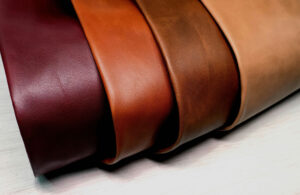
Genuine leather belt supplier
Grain Leather and Split Leather: How Brands Choose the Right Material
Various skin layouts support totally distinct sales plans. The right pick relies on your company image, item needs, volume sizes, and ideal price tags.
| Material Type | Factory Method | Main Benefit | Normal Uses |
| Grain Leather | Built from the top section using varied outer coating styles | Tough fiber web, raw natural wear, flexible visual choices | High-end, stylish, and premium retail belts |
| Split Leather | Built from the bottom section using extra chemical coats | Budget friendly and highly flexible in design | Massive volume factory runs |
For companies wanting a raw natural vibe, grain leather gives tough physical wear and a neat look. For lines needing exact visual matching and tight factory control, altered top coatings offer great answers.
For massive volume orders needing wide design choices and tight budgets, split materials serve as a highly smart pick.
How YIHUI Helps Brands Select the Right Leather Material
Picking a hide demands a solid grasp of your item goals, wear limits, and factory needs. At YIHUI Leather, we back fashion labels, wholesale buyers, and private companies. We offer expert material advice alongside full OEM/ODM belt making services.
Our staff assists purchasers in checking details like ideal buyers, order sizes, design rules, and wanted physical wear. We offer material tips, test pieces, and factory trial backing before massive runs start.
YIHUI Leather holds more than 20 years of belt making background. We blend deep material skills, massive factory power, and rigid quality checks to support worldwide companies. Our custom tools cover material picks, strap building, metal hardware, logo printing, and final boxing.
Contact YIHUI Leather to discuss your belt project, material preferences, and target price range. You can also share your designs or specifications to receive customized recommendations and quotation support.
FAQ
What type of leather is suitable for custom leather belts?
The right leather depends on the product goals. Grain leather is suitable for belts requiring durability and refined appearance, while split leather works well for projects that need cost efficiency and design flexibility.
Does split material count as genuine leather?
Yes, absolutely. This bottom material fully counts as genuine leather. Workers make it from the lower section of the animal skin right after cutting off the top section. Its final look and daily wear rely heavily on the outer coats applied during factory runs.
How does leather finishing affect belt quality?
Leather finishing influences surface appearance, color consistency, texture, and production stability. The suitable finishing method depends on the brand’s design requirements and production needs.
Can YIHUI send material samples before starting massive runs?
Yes, indeed. YIHUI gladly sends raw material pieces and finished test items. These help purchasers check the physical feel, color shade, outer coating details, and full strap build before kicking off massive volume runs.