Quality Control for OEM and ODM Belt Orders


Massive orders for custom made belts seldom fail just because a worker overlooked a single visual detail. Rather, quality issues normally start much earlier during the manufacturing process. These problems often come from vague specifications. They can also result from unapproved material changes. Wide tolerances or secret production shifts cause them as well. Therefore, a strong OEM or ODM quality plan links the approved sample to strict checks at every single step.
Mass production quality begins before cutting
The initial major quality choice is actually quite simple. The maker and the buyer have to share the exact same idea of an approved belt. This basic standard must cover the main leather or fabric build. It also needs to state the thickness, width, color, and edge finish. Plus, it has to define the stitching, buckle finish, and logo position. Packing rules and any okay variations belong in this step as well. Without a clear starting point, the last inspection turns into a subjective fight over looks. It ceases to be a controlled, fact-based shipping choice.
For brands creating custom belts and buckles for OEM orders, YIHUI combines belt-body design with hardware, branding, and packing choices. The main benefit here is very practical. The approved sample acts as the full physical guide. This method makes it much easier to spot where a flaw actually happens. You can quickly see if the error is on the strap or the buckle. You can also track it down to the hardware link or the final retail box.
The control points that catch drift early
IQC checks incoming materials
For custom leather belts, Incoming Quality Control (IQC) keeps the production line safe. It stops workers from starting their jobs with wrong materials or parts. Checkers closely look at the leather, PU, fabric, and metal hardware. They also check the color, thickness, and surface state. Packing goods are checked against the agreed rules as well. This key step occurs before any parts are cut or put together. Sending back bad materials early saves a lot of money. This forward-looking step is much better than finding the exact same error inside the finished goods.
IPQC monitors the process
In-Process Quality Control (IPQC) checks the workflow during active making. It makes sure all workers follow the agreed methods as production moves forward. Good checkpoints often involve cutting precision and hole placement. They also look at the stitching, edge finishing, buckle connection, and logo spot. Also, inspectors review the general look of repeating parts. IPQC gives a helpful chance to fix a bad trend early. This action stops a small mistake from growing into a huge batch-wide ruin.
FQC confirms shipment readiness
Final Quality Control (FQC) proves that the finished belts match the approved sample perfectly. It also measures the items against the tight shipping standards. This last check reviews the overall look and the exact sizes. It may also test the pulling strength and the wear resistance. Metal rust resistance is checked as well. Moreover, the checking team looks at the packing, labels, and box counts. They do these tasks whenever those specific details form part of the initial order.
Checking frequency must match the real risk levels and the specific order setup. A huge repeat order with a stable design might just use a basic sampling plan. On the other hand, a new product launch with mixed designs often needs more regular checks. This is especially true during the first production runs. The most vital factor is clear talking. Both sides have to agree on the checking frequency and the passing rules before any inspection starts.
Factories should use flaw data to improve the whole making process. They must not use this info just to throw away finished goods. Sometimes, the exact same edge or hole position issue shows up again and again. Issues about buckle connection or logo placement might also come back. When these trends show up, the team needs to look at the cutting guide or the building tool closely. They should also review the worker guides and the incoming parts. This smart method turns quality control into a helpful feedback loop. It ensures much better results for future repeat orders.
Controls that protect repeat orders
- Approved sample: Keep one signed or safely stored reference item for the active production line.
- Material control: Note the specific material, color, thickness, and surface finish. Also, write down the vendor name and the batch details.
- Process control: Clearly state the checking point and the testing method. Set the checking frequency and name the person in charge.
- Flaw grouping: Sort the found problems into critical, major, and minor groups. This plan makes all shipping choices fair and very consistent.
- Fixing action: Write down the root cause and the quick fix. Next, record the checking steps and the future safety steps.
A useful QC plan connects test to risk
| Risk | Control point | Proof to keep |
| Wrong material or bad color tone | IQC before cutting | Material log and approved color guide |
| Size and length drift | Cutting and in-process checks | Size log and tolerance |
| Weak sewing or broken edges | IPQC during building | Visual look and focused strength review |
| Rusted buckles or weak links | Part and final check | Finish guide and check result |
| Bad packing details | FQC before box shipping | Packing list, label, and box check |
Testing works best when it directly aims at a known failure risk. YIHUI sets up a strict quality process that includes IQC, IPQC, and FQC. This full process includes special testing for pulling strength and wear resistance. It also checks the metal parts for rust resistance. Still, a buyer should always confirm the exact testing method. They need to agree on the sample size and the passing rules. They must also state the whole product scope for their specific order.
Approval samples keep the line aligned
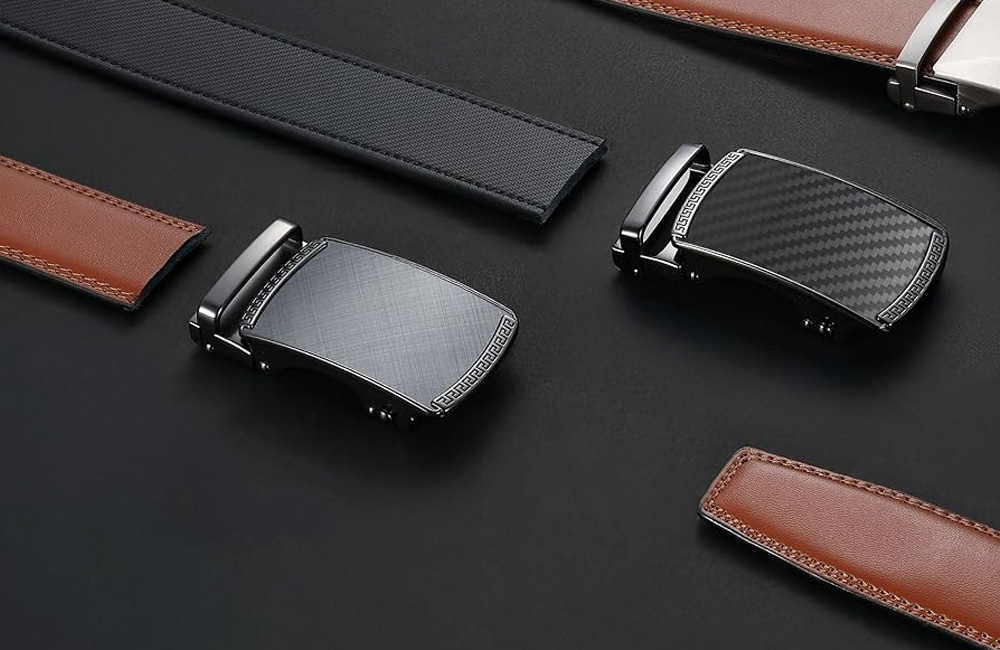
A sample means much more than a simple sales preview. It acts as a real physical guide for everyone involved in the work. This real item helps the design, sales, engineering, and making teams. It also makes sure the QC staff and the buyer all follow the exact same rule. A good sample must feature the real leather or fabric. It should show the real edge finish, buckle, logo, and sewing. It must also show the correct sizes and packing style if those specific details affect the final item.
Buyers ordering custom leather belts with repeatable specifications have to approve certain complex details. Some traits are just too hard to describe inside a basic spreadsheet. These traits include material softness, natural grain shapes, and the overall surface feel. Buyers should also review the product color under normal daylight. They need to watch how the strap and the buckle visually fit each other. Any later changes must be fully written down. These changes need a fresh approval before the making line begins moving again.
Capacity and communication support consistency
Quality control always works much better when the making schedule stays realistic. YIHUI notes that exact samples normally take about seven working days to make. This time starts right after they get the design drawings or the original guide samples. At the same time, bulk making timing relies heavily on the specific product group. Their making programs depend on standard workflows and devoted customer service help. They also keep a stated monthly output of 70,000 pieces. Yet, buyers should always check these numbers against their final style mix and the planned order schedule.
For any repeat or huge order, the buyer needs to set up several vital details early. They should line up the total amount, the mixed designs, and the exact shipping dates. They also need to set the checking timing, box rules, and change-control rules before paying the first deposit. A very clear plan gives a huge benefit. It allows custom made belts for large orders to follow the exact strict passing logic as a small trial run. This steadiness happens without ever hurting the basic quality standards.
Practical takeaway
A reliable mass-production QC plan for custom belts and buckles works like a strong chain. It starts with the approved sample and moves to incoming material control. Next, it includes process checks, a final check, and focused performance testing. Finally, it ends with properly recorded fixing actions. The main goal is not to force quality into the product at the very last minute. Rather, the main goal remains pure prevention. The system actively stops the wrong materials, bad methods, or wrong guides from ruining the whole order.
You can easily send your approved sample or technical pack through our Contate-nos page. Please include your target amount and your wanted delivery time. Also, share the highest-risk details about your project. This vital info allows the factory to line up the quality plan perfectly with your actual making program.
Perguntas frequentes
What do IQC, IPQC, and FQC mean in belt production?
IQC means Incoming Quality Control. It handles all raw materials and basic parts. IPQC means In-Process Quality Control. It watches the goods during active making. Finally, FQC stands for Final Quality Control. This vital step happens right before the final shipment. Together, these three clear stages help workers catch problems early. They spot issues at the exact stage where fixing them remains the easiest.
Is a pre-production sample necessary for a repeat order?
Yes, this step is highly suggested. A carefully controlled sample proves many important details. It shows if the current materials, surface finish, sizes, and branding still match the previously approved standard. This check becomes especially vital when the specific order details or the making seasons have recently changed.
Which belt defects should receive the most attention?
You should always focus on flaws that negatively impact safety, fit, or daily use. Pay close attention to overall strength, branding elements, and the customer’s first visual impression. The exact focus level usually depends on the specific product rules. It also relies on how the end buyer plans to use the item.
Can quality testing replace visual inspection?
No, it absolutely cannot. Strength, wear, and rust tests only answer very specific performance questions. On the other hand, visual and size checks do a completely different job. They catch bad building, poor surface finishes, wrong logos, and packing errors. In most cases, a trusted factory will need to use both checking methods.
How early should a buyer discuss quality requirements?
Buyers should talk about their specific quality needs very early in the process. They need to start this talk during the first sampling stage. This important talk must happen before the factory finishes the official price quote. Getting an early agreement on materials, tolerances, and testing rules remains vital. Setting flaw rules and shipping criteria prevents major fights later. It ultimately keeps everything running smoothly during the bulk making phase.